
Smart Storage Finder
Select a room below to discover the most effective storage furniture solutions tailored to that space.
Walk into a cluttered room. You see piles of mail on the counter, shoes by the door, and toys scattered across the floor. Now imagine that same room, but everything has a designated place. The air feels lighter. Your mind feels clearer. The difference isn't magic-it's storage furniture.
We often think of furniture as just things to sit on or sleep in. But some pieces are designed with a secret weapon: extra space inside them. This is what we call storage furniture. It’s not just about hiding mess; it’s about reclaiming your living space and making your daily life smoother.
The Core Concept: Form Meets Function
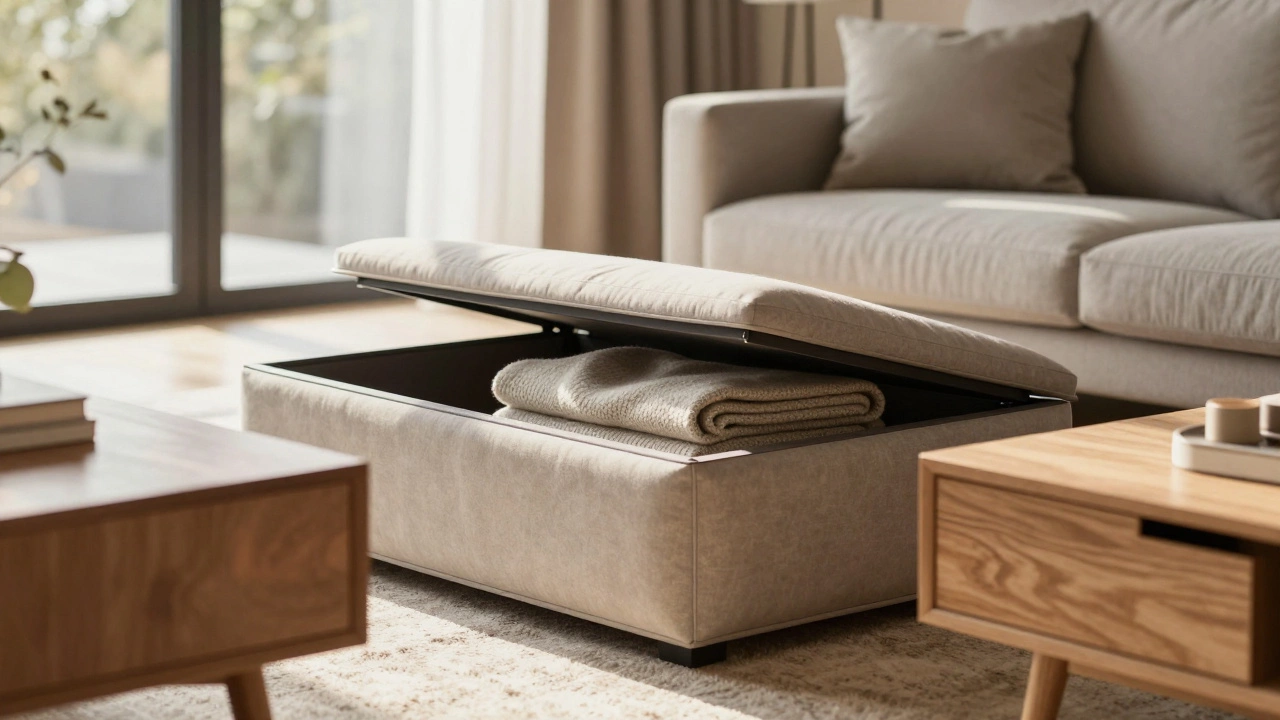
Storage furniture is any piece of furniture that includes built-in compartments, drawers, shelves, or hollow spaces designed to hold items. Unlike a standard chair that only offers seating, a storage ottoman offers seating plus a hidden bin for blankets. Unlike a plain coffee table, a lift-top coffee table might have drawers underneath for remotes and magazines.
The goal is dual-purpose design. You get the aesthetic and functional benefit of the furniture piece (like a bed for sleeping) while simultaneously gaining valuable cubic footage for storing objects you don't use every day but don't want to throw away.
This concept has evolved from simple chests in medieval times to sophisticated, engineered systems in modern homes. Today, it’s a critical component of interior design, especially in urban apartments where square footage is expensive and limited.
Why You Need More Than Just Boxes
You could buy plastic bins and stack them in a closet. That works, but it’s ugly and inefficient. Storage furniture integrates organization into the architecture of your room. Here’s why dedicated pieces beat generic containers:
- Aesthetic Harmony: Storage furniture matches your decor. A wooden bookshelf blends with your hardwood floors, whereas a clear plastic bin looks out of place.
- Accessibility: Drawers and cabinets allow you to retrieve items easily without digging through piles. You know exactly where the winter coats or holiday decorations are.
- Dust Protection: Enclosed storage keeps dust off your linens, electronics, and collectibles, reducing cleaning time.
- Space Efficiency: By using vertical space and under-utilized areas (like under the bed), you free up floor space for movement and other activities.
Think of it this way: a box hides things. Storage furniture organizes them so you can find them when you need them.
Top Types of Storage Furniture for Every Room
Not all storage furniture is created equal. Different rooms have different needs. Here’s a breakdown of the most effective types and where they belong.
1. The Bedroom: Under-Bed and Wardrobe Solutions
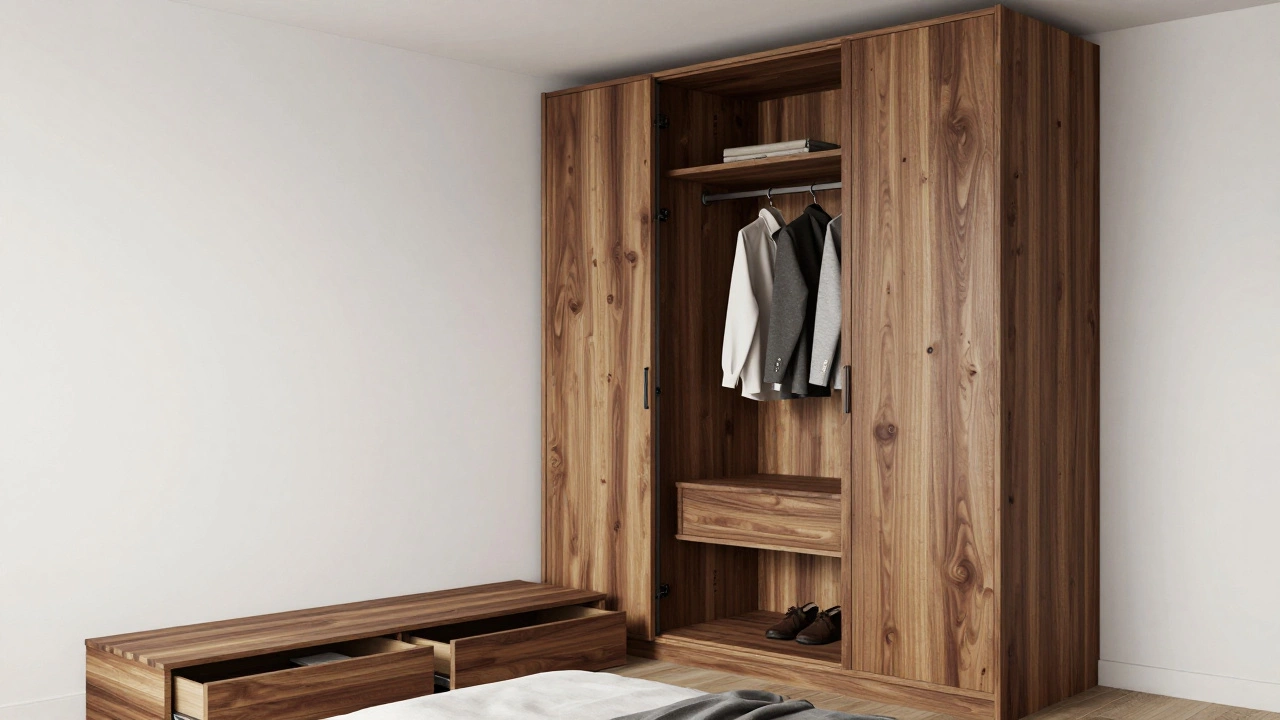
The bedroom is the biggest opportunity for hidden storage. Platform beds with drawers are bed frames that incorporate pull-out drawers along the sides or foot of the bed frame. These are perfect for seasonal clothing, extra bedding, or luggage. If you have a low-clearance bed, look for rolling under-bed bins that slide in and out effortlessly.
Wardrobes remain the king of bedroom storage. Modern wardrobes offer adjustable shelving, hanging rails, and specialized compartments for ties, belts, and jewelry. For smaller rooms, consider a wardrobe with a mirrored front-it doubles as a full-length mirror, saving you from buying a separate piece.
2. The Living Room: Ottomans, Coffee Tables, and Consoles
Living rooms tend to accumulate clutter quickly: remote controls, coasters, magazines, and guest blankets.
- Storage Ottomans: These serve as footrests, extra seating, and coffee tables. Inside, they hold throws, pillows, or board games. Look for ones with hinged lids for easy access.
- Coffee Tables with Shelves: Opt for tables with lower shelves for books or baskets. Some even have hidden compartments for valuables.
- Console Tables: Place one behind the sofa or against an entryway wall. They provide surface area for keys and lamps, while shelves or drawers below hold mail, shoes, or decorative boxes.
3. The Entryway: Benches and Shoe Cabinets
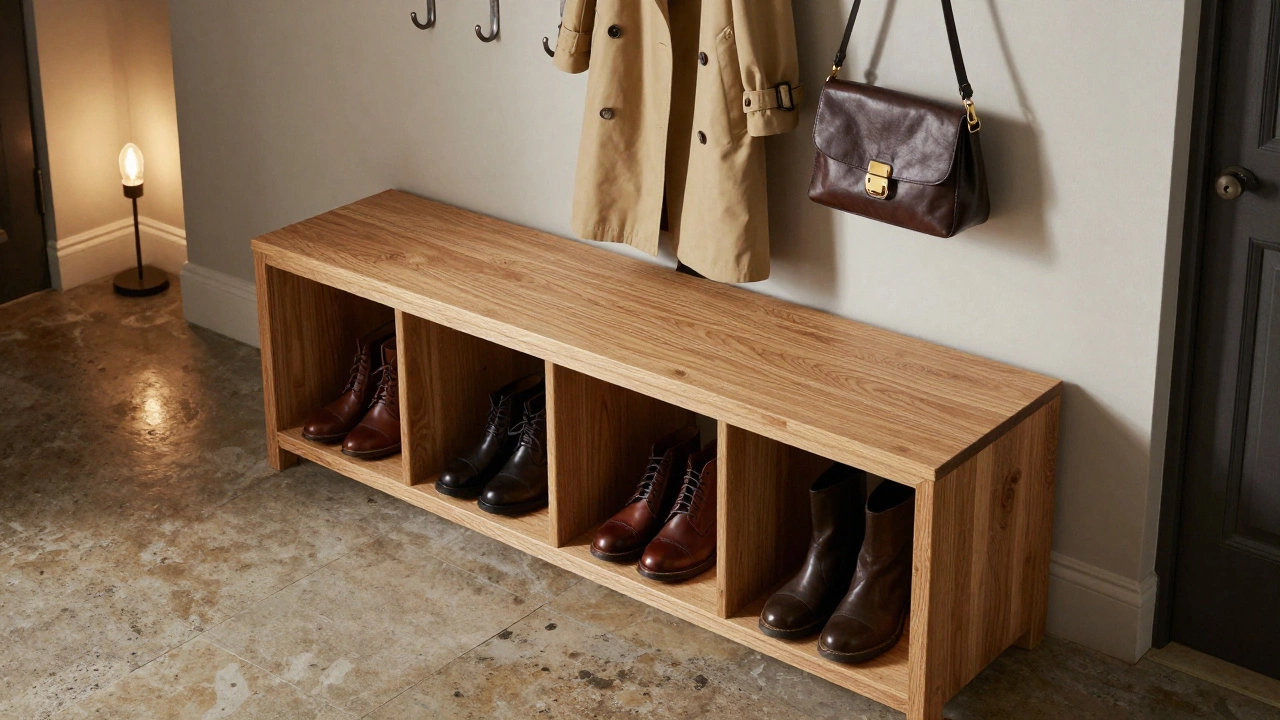
The entryway is the first line of defense against clutter. An entryway bench with cubbies allows family members to store shoes neatly instead of leaving them scattered. Add hooks above for coats and bags. This small investment prevents the "shoe mountain" effect that makes homes feel chaotic.
4. The Home Office: Filing Cabinets and Desk Organizers
In a workspace, efficiency is key. Lateral filing cabinets save more space than traditional upright ones. Desks with built-in keyboard trays and drawer units keep pens, notebooks, and tech accessories within reach but out of sight. Cable management grommets in desks also help hide wires, contributing to visual clarity.
Materials Matter: Durability vs. Style
When choosing storage furniture, the material dictates how much weight it can hold and how long it will last.
| Material | Pros | Cons | Best For |
|---|---|---|---|
| Solid Wood (Oak, Walnut) | Extremely durable, timeless look, repairable | Heavy, expensive, can scratch | Wardrobes, dressers, heirloom pieces |
| MDF/Particle Board | Affordable, smooth finish, lightweight | Less durable, susceptible to moisture damage | Budget-friendly shelves, temporary setups |
| Metal (Steel, Iron) | Strong, industrial chic, fire-resistant | Can dent, cold to touch, noisy | Filing cabinets, garage storage, industrial decor |
| Fabric/Upholstered | Soft, cozy, quiet closing | Stains easily, holds less weight | Ottomans, toy chests, kid-friendly rooms |
If you live in a humid climate, avoid particle board unless it’s well-sealed. For heavy items like books or tools, solid wood or metal is non-negotiable. For soft goods like clothes and blankets, fabric-lined compartments prevent wrinkles.
Smart Design Tips for Small Spaces
If you’re working with a studio apartment or a tiny house, every inch counts. Here’s how to maximize storage without sacrificing style:
- Go Vertical: Floor-to-ceiling bookshelves or wardrobes draw the eye up and utilize unused wall space. Install floating shelves above doors or windows.
- Multi-Functional Pieces: Invest in sofa beds, trundle beds, or dining tables that expand. These pieces change function based on your needs, reducing the total number of items in your home.
- Use Transparent Baskets: Inside opaque cabinets, use clear acrylic bins. You can see what’s inside without opening every drawer, speeding up retrieval.
- Declutter Regularly: Storage furniture is not a solution for hoarding. If you fill every drawer to the brim, it becomes frustrating to use. Aim for 80% capacity to keep things accessible.
Common Mistakes to Avoid
Even with the best intentions, people make errors when buying storage furniture. Don’t let these happen to you:
- Ignoring Dimensions: Measure your space twice. A wardrobe that’s too wide blocks traffic flow. A dresser that’s too deep sticks out into the room, creating a bump hazard.
- Overlooking Hardware: Cheap hinges and drawer slides break quickly. Look for soft-close mechanisms-they’re quieter and last longer because they reduce impact wear.
- Choosing Style Over Function: A beautiful open shelf looks great until it collects dust and becomes a catch-all for random items. Balance open display areas with closed storage.
- Forgetting Weight Limits: Not all shelves can hold a stack of encyclopedias. Check the manufacturer’s weight rating before loading up.
The Future of Storage: Smart and Sustainable
As technology advances, storage furniture is getting smarter. Imagine a wardrobe with LED lighting that turns on when you open the door, or a kitchen cabinet with integrated charging ports for devices. Some high-end pieces now include app-controlled locks for security.
Sustainability is also reshaping the industry. More brands are using recycled plastics, bamboo, and reclaimed wood. When buying, look for certifications like FSC (Forest Stewardship Council) to ensure your furniture supports responsible forestry practices.
Ultimately, storage furniture is about control. It gives you the power to decide what stays visible and what gets tucked away. In a world that feels increasingly chaotic, having a place for everything is a form of peace of mind.
Is storage furniture worth the extra cost?
Yes, if you value space efficiency. While a plain chair costs less than a storage ottoman, the ottoman eliminates the need for a separate basket or bin. Over time, multi-functional pieces save money by reducing the total number of items you need to buy for your home.
How do I clean storage furniture?
It depends on the material. Wipe wood and metal surfaces with a damp cloth and mild detergent. Upholstered storage pieces should be vacuumed regularly and spot-cleaned according to the manufacturer’s instructions. Always empty drawers before cleaning to avoid spills inside.
Can I assemble storage furniture myself?
Most flat-pack storage furniture comes with DIY assembly instructions. However, large pieces like wardrobes or tall bookcases may require two people for safety and stability. If you’re uncomfortable with tools, consider hiring a professional assembler.
What is the best storage furniture for kids' rooms?
Toy chests with lidded tops are excellent for keeping playrooms tidy. Low-height dressers allow children to access their own clothes, encouraging independence. Ensure any storage piece is anchored to the wall to prevent tipping hazards.
Does storage furniture add value to my home?
Indirectly, yes. Homes that appear organized and spacious are more appealing to buyers. Built-in storage solutions, like custom closets or cabinetry, can significantly increase resale value. Freestanding storage furniture helps maintain that organized appearance during showings.
Write a comment