
Patio Furniture Durability Calculator
Choose a material below to see its performance in your conditions:
Teak Wood
PremiumNatural oils resist rot.
Aluminum
Best ValueLightweight & rust-proof.
Wrought Iron
Heavy DutyStrong but prone to rust.
Stainless Steel
Marine GradeUltimate corrosion resistance.
There is nothing worse than spending a fortune on a beautiful outdoor set only to watch it rust, crack, or fade within two seasons. You want your backyard to feel like an extension of your living room, not a construction site for repairs every spring. The question isn't just about style; it is about survival against sun, rain, and temperature swings.
If you are looking for the absolute longest-lasting patio furniture, the answer depends heavily on how you define 'lasting.' Are we talking about structural integrity that lasts decades, or aesthetic appeal that stays fresh without constant maintenance? Generally, teak wood and marine-grade stainless steel sit at the top of the longevity chart, often outliving the homeowner. However, they come with different price tags and care requirements.
The Gold Standard: Solid Teak Wood
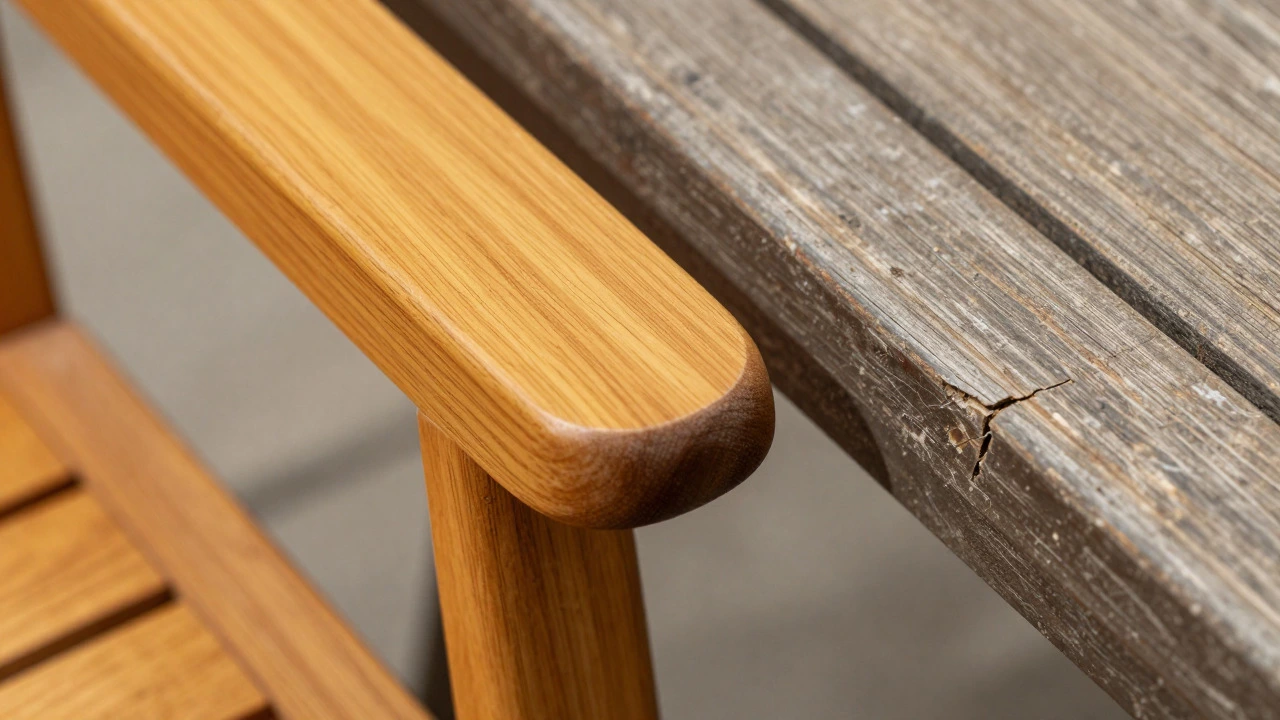
When people talk about heirloom-quality outdoor furniture, they are almost always talking about Teak a dense hardwood known for its natural oils and rubber content which make it highly resistant to moisture, rot, and insects. Native to Southeast Asia, specifically Myanmar, teak has been used in shipbuilding for centuries because it does not warp or split easily when exposed to water.
| Attribute | Value/Benefit |
|---|---|
| Natural Oils | Repels water and prevents fungal growth without chemical treatment |
| Density | High density (approx. 680 kg/m³) resists denting and wear |
| Lifespan | 50+ years with minimal care |
| Aging Process | Fades from honey-gold to silver-gray naturally |
You do not need to sand or seal teak to keep it alive. In fact, sealing it can trap moisture and cause issues. If you leave it alone, it will turn a silvery-gray color. Many people love this weathered look. If you prefer the original golden hue, you can use a teak cleaner and sealer once a year, but it is purely cosmetic. The wood itself remains structurally sound regardless of its color.
The downside? Price. Genuine Grade A teak is expensive. Also, be careful of fakes. Some sellers mix lower-grade wood or other species and call it teak. Look for certifications or reputable brands that guarantee 100% solid teak. Avoid pieces with visible knots or sap pockets, as these are weak points where decay can start.
The Low-Maintenance Champion: Powder-Coated Aluminum
If teak feels like too much work or cost, Aluminum a lightweight, rust-proof metal often used in high-end outdoor furniture due to its durability and ease of movement is the smart alternative. Specifically, you want cast aluminum or wrought-aluminum style frames that have been powder-coated a finishing process where dry powder is applied electrostatically and cured under heat to form a hard, protective layer.
Unlike steel, aluminum does not rust. It can corrode over many decades, but in typical residential settings, it effectively never rusts. This makes it perfect for coastal areas where salt air eats away at cheaper metals. The powder coating adds another layer of defense against UV rays and scratches. High-quality coatings are baked on, meaning they bond with the metal rather than sitting on top like paint.
One major advantage of aluminum is weight. You can move a heavy-looking cast aluminum chair with one hand. This is great if you need to rearrange your space frequently or store items during harsh winters. While it may not feel as 'substantial' as iron or stone, modern engineering allows for incredibly strong designs that support significant weight without bending.
Watch out for thin-walled aluminum tubes. These are common in budget sets and can dent easily. Look for thicker gauge metal, especially at stress points like legs and armrests joints. If the finish chips, touch-up paint is easy to find, but deep scratches might expose the raw metal, which could eventually oxidize.
Steel: Strong But Risky
Wrought Iron a traditional material for outdoor furniture known for its strength and classic ornate designs, but prone to rust if not maintained has been the go-to for durable outdoor furniture for generations. It is heavy, sturdy, and looks elegant. However, it has a fatal flaw: rust. Even with the best paint job, tiny scratches will expose the iron to oxygen and moisture. Once rust starts, it spreads underneath the paint, causing bubbling and eventual structural weakness.
To make steel last, it must be properly coated. Look for furniture labeled as 'rust-resistant' or 'weather-proof,' which usually means it has undergone a rigorous painting process involving primers and multiple layers of enamel. Even then, you should inspect your steel furniture annually. Touch up any chips immediately with matching spray paint. If you live in a humid climate or near the ocean, steel might not be the best choice unless you are diligent about maintenance.
A newer innovation is Stainless Steel an alloy containing chromium that forms a passive layer to resist corrosion, making it ideal for marine environments, particularly grades 304 or 316. Marine-grade 316 stainless steel contains molybdenum, which offers extra protection against chlorides (salt). This is the stuff used on yachts and in hospitals. It is incredibly expensive, but it will likely outlast everything else you own, including the house. If budget is no object and you want zero-maintenance metal, this is the winner.
Synthetic Wicker: The Modern Classic
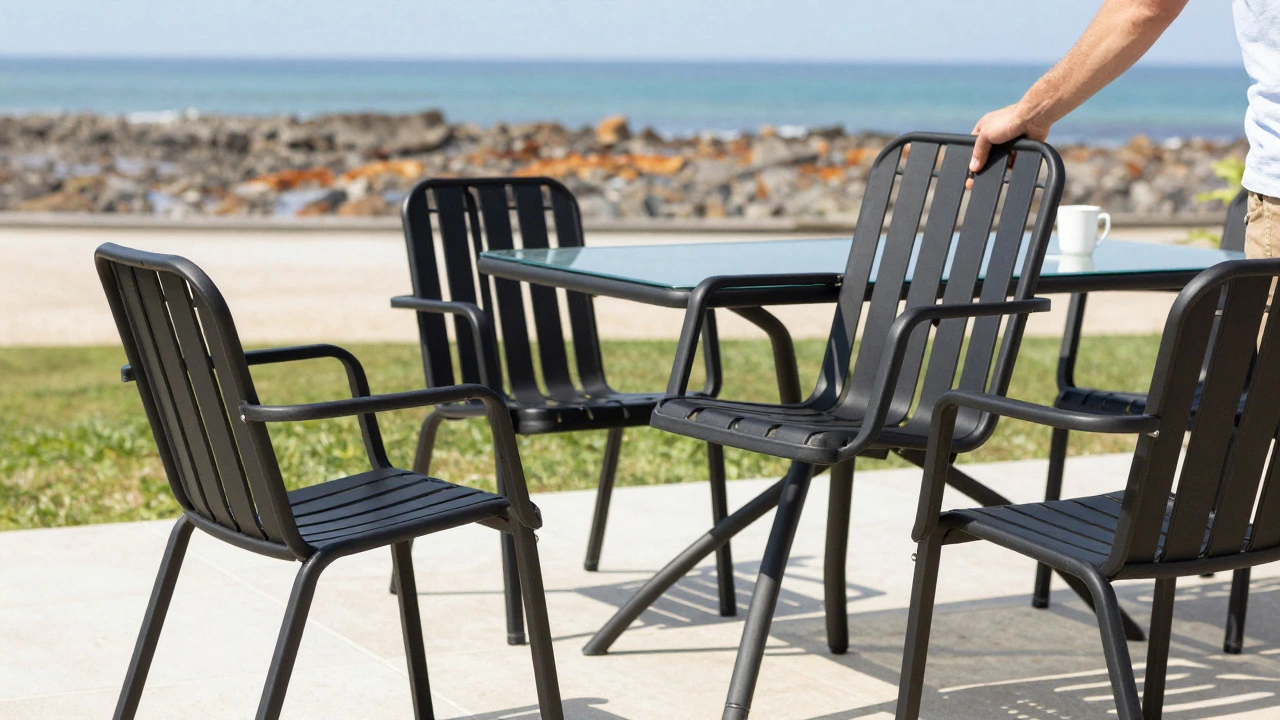
Gone are the days of paper reed rattan that disintegrated after one rainy summer. Today's Synthetic Rattan also known as PE wicker, made from polyethylene resin woven around a metal frame, designed to mimic natural rattan while resisting UV and weather (often called PE wicker) is remarkably durable. It is made from polyethylene, a plastic that is resistant to fading, cracking, and peeling.
The key here is the base material. The wicker itself is tough, but the frame underneath matters most. Most synthetic wicker chairs have an aluminum frame. This combination gives you the cozy, textured look of natural materials with the durability of plastic and metal. It is comfortable, stylish, and handles rain well.
However, synthetic wicker has limits. It can get hot in direct sunlight, so cushions are essential. Over many years (10-15), the UV resistance may degrade, leading to slight fading or brittleness in extreme climates. It is also harder to repair if a strand breaks compared to wood or metal. For most homeowners, though, it offers the best balance of price, comfort, and lifespan.
Cushions and Fabrics: The Weak Link
Your frame might last 20 years, but your cushions will not. Fabric is the first thing to fail in any outdoor set. Sunlight breaks down fibers, and rain leads to mold and mildew. To maximize longevity, choose fabrics rated for outdoor use.
- Solution-Dyed Acrylic: Brands like Sunbrella are industry standards. The color is dyed into the fiber before spinning, so it doesn't fade easily. It is also breathable, allowing moisture to escape, which reduces mildew risk.
- Polyester with PU Coating: Cheaper option, but the coating can peel over time, leaving you with wet, uncomfortable cushions.
- Olefin (Polypropylene): Very stain-resistant and affordable, but less soft than acrylic and can fade faster in intense sun.
Regardless of fabric quality, bring cushions inside or cover them during heavy storms and winter. No fabric is truly waterproof forever. Using high-density foam (at least 1.8 lb density) ensures the cushions retain their shape longer. Cheap foam flattens quickly, making even the best frame feel uncomfortable.
Maintenance Tips to Extend Life
Even the best furniture needs some care. Here is how to make your investment last decades instead of years:
- Clean Regularly: Dust and pollen hold moisture against surfaces. Wipe down tables and chairs monthly with mild soap and water. For teak, a specialized teak cleaner removes gray oxidation if you want to restore the gold color.
- Use Covers: Heavy-duty canvas covers protect against UV rays and debris. Make sure they are breathable to prevent trapped humidity.
- Store When Possible: If you live in an area with snow or hail, storing furniture in a garage or shed is the safest bet. At minimum, flip heavy items upside down to prevent water pooling.
- Check Hardware: Loose screws and bolts can lead to wobbling and breakage. Tighten connections twice a year. Use stainless steel screws for replacements to avoid galvanic corrosion.
How to Spot Quality Before Buying
Not all 'durable' furniture is created equal. Here are red flags to watch for:
- Thin Metal Walls: Tap the frame. If it sounds hollow and flimsy, it will dent easily. Thicker walls mean better impact resistance.
- Visible Welds: On metal furniture, welds should be smooth and ground down. Rough, bubbly welds indicate poor craftsmanship and potential weak points.
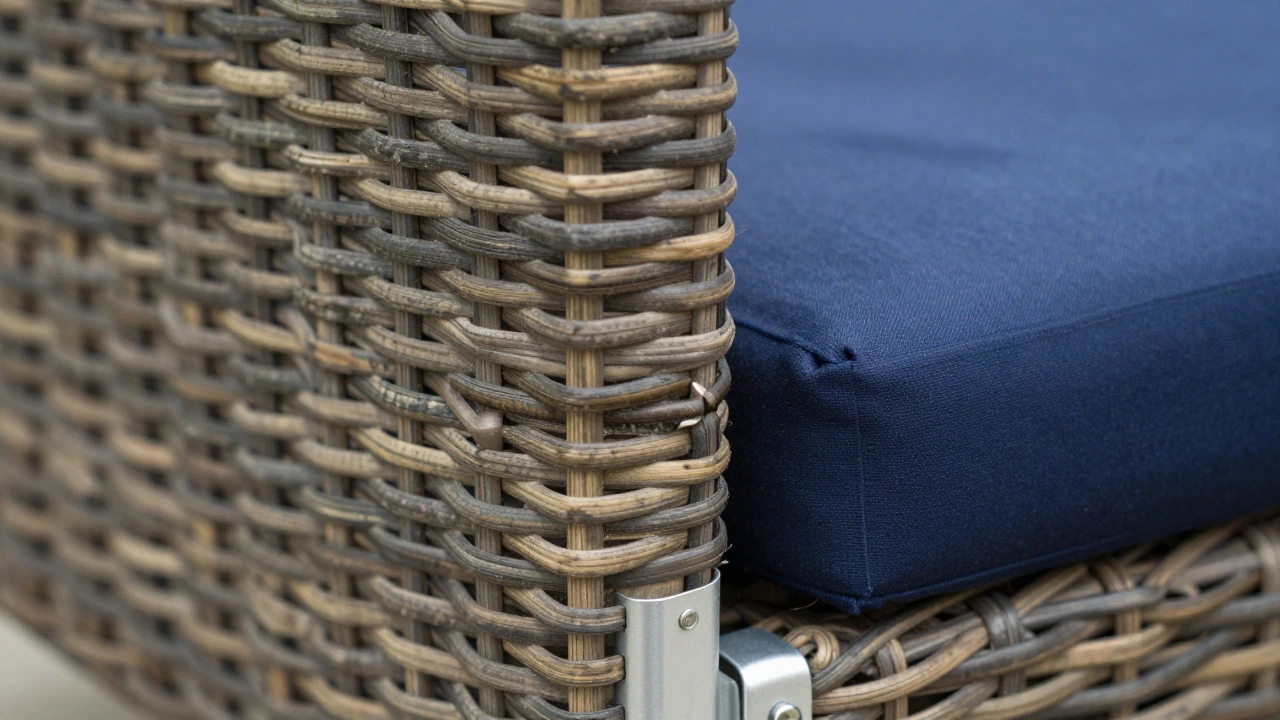
- Loose Weave: In wicker furniture, tight weaving prevents dirt accumulation and structural sagging. Loose strands catch wind and tear more easily.
- Missing Drainage Holes: Cushion bases and table tops should have small holes to let water drain out. Trapped water causes rot and rust from the inside out.
Finally, check the warranty. Reputable manufacturers stand behind their products. A lifetime warranty on the frame suggests confidence in the materials. Read the fine print-some warranties exclude normal wear and tear or require annual maintenance logs.
Is teak wood really worth the high price?
Yes, if you plan to keep the furniture for more than 10 years. Teak is one of the few woods that improves with age, developing a attractive silver patina. Its natural oils eliminate the need for staining or sealing, saving you time and money on maintenance. While initial costs are high, the cost per year of use is often lower than replacing cheaper sets every few years.
Will aluminum patio furniture rust?
Pure aluminum does not rust because it lacks iron. However, it can corrode over very long periods, especially in salty coastal air. High-quality aluminum furniture is powder-coated, which provides an additional barrier against corrosion and UV damage. As long as the coating remains intact, aluminum is virtually maintenance-free and rust-proof.
How long do synthetic wicker chairs last?
With proper care, synthetic wicker (PE rattan) can last 10 to 15 years. The main factors affecting longevity are UV exposure and physical wear. Fading may occur after several years of direct sunlight, but the structural integrity usually remains strong. Keeping cushions covered and cleaning the weave regularly helps extend its life significantly.
What is the best fabric for outdoor cushions?
Solution-dyed acrylic fabrics, such as those from Sunbrella or Outdoor Fabric Store, are considered the best. They offer superior fade resistance, breathability, and mildew resistance compared to polyester or olefin. The dye is embedded in the fiber, so washing does not remove the color. For maximum cushion life, pair this fabric with high-density foam (1.8 lb density or higher).
Should I cover my patio furniture in the winter?
Ideally, yes. Even durable materials like teak and aluminum benefit from protection against harsh winter elements like snow, ice, and freezing rain. If storage space is limited, use breathable, waterproof covers. Ensure furniture is completely dry before covering to prevent trapped moisture, which can lead to mold or corrosion. Flipping heavy items upside down is a good alternative if covers aren't available.
Write a comment