
Furniture Durability Estimator
Buying a sofa that looks great in the showroom but collapses after two years is frustrating. You want pieces that survive daily life, not just photo shoots. The truth is, durable furniture isn't about price tags; it's about specific materials and construction methods. If you know what to look for, you can buy items that last decades instead of seasons.
Key Takeaways on Furniture Durability
- Solid hardwoods like oak and maple outlast particleboard by up to 10x in lifespan.
- High-density foam (1.8 lbs per cubic foot or higher) resists sagging far better than standard comfort foam.
- Natural fibers like linen and cotton age gracefully, while synthetic blends often pill or fade faster.
- Kiln-dried wood prevents warping, which is critical for long-term structural integrity.
- Reputable brands often offer 5-10 year warranties, signaling confidence in their build quality.
The Wood Factor: Solid vs. Engineered
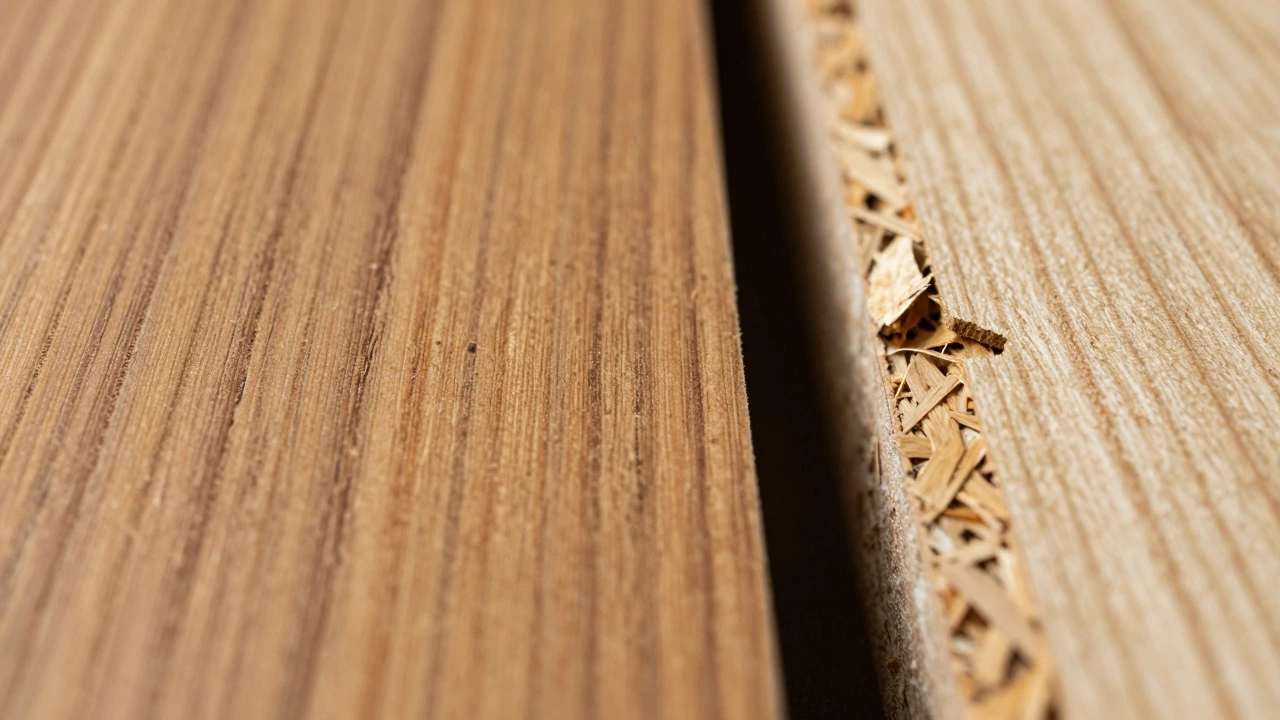
When you see a wooden table or frame, the material inside matters more than the finish on top. There are two main categories: solid wood and engineered wood. Solid wood comes from a single tree species. It’s dense, strong, and can be sanded and refinished if it gets scratched. Common durable types include oak, maple, walnut, and cherry. These woods have tight grain patterns that resist dents and moisture.
Engineered wood, on the other hand, includes plywood, medium-density fiberboard (MDF), and particleboard. Plywood is actually quite strong because it’s made of thin layers of wood glued together with grains running in different directions. It’s stable and resistant to warping. However, MDF and particleboard are made from wood chips and sawdust mixed with resin. They are lightweight and cheap, but they swell when exposed to humidity and crack under heavy weight. If you live in a humid climate or have kids who climb on furniture, avoid particleboard for anything structural.
Here’s a quick comparison to help you decide:
| Wood Type | Durability Rating | Best For | Common Issue |
|---|---|---|---|
| White Oak | Very High | Tables, frames, floors | Higher cost |
| Maple | High | Cabinets, dining tables | Can show dents |
| Plywood | Medium-High | Shelving, drawer boxes | Edges may chip |
| MDF | Low-Medium | Painted cabinets, decorative items | Swells with moisture |
| Particleboard | Low | Budget flat-pack furniture | Breaks under load |
Upholstery Materials That Stand the Test of Time
If you’re buying sofas, chairs, or beds with headboards, the fabric choice is just as important as the frame. Many people think leather is automatically the most durable, and while it is tough, it requires maintenance. Full-grain leather ages well, developing a patina over time. Top-grain leather is sanded and coated, making it smoother but less breathable. Bonded leather, however, is essentially paper-like material covered in plastic, and it tends to peel within a few years.
Fabric options vary widely. Natural fibers like cotton and linen are breathable and comfortable. Linen is particularly strong and becomes softer with age, though it wrinkles easily. Cotton is durable but can shrink if not pre-shrunk. Synthetic fabrics like polyester and nylon are incredibly resistant to stains and fading. They don’t wrinkle much and hold their shape well. However, they can feel less natural and may develop static electricity. A good middle ground is a blend, such as cotton-polyester, which offers the comfort of natural fibers with the stain resistance of synthetics.
For high-traffic areas like living rooms, consider performance fabrics. These are treated to repel water, oil, and dirt. Brands like Crypton or Sunbrella make fabrics specifically designed for durability. If you have pets or children, these treatments save you from frequent deep cleaning sessions.
Internal Construction: Where Quality Hides
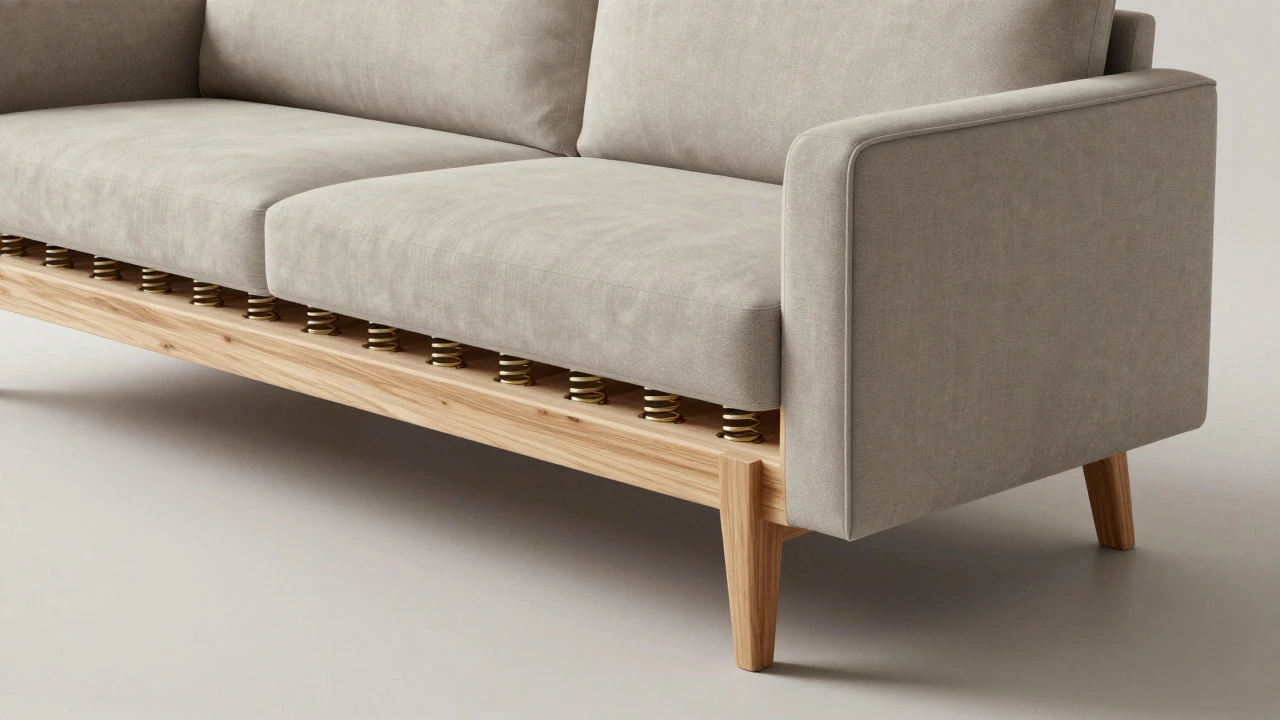
You can’t always see how a piece of furniture is put together, but you can check for signs. Look at the joints. Dovetail joints, where interlocking pins fit into tails, are the gold standard for drawers and boxes. They require no screws or glue to hold together and can last generations. Wedged tenons are another strong method used in chair legs and table bases. Avoid furniture that relies solely on staples, small nails, or loose joinery. If you lift a table or chair and it wobbles, the internal structure is likely compromised.
For sofas, the frame is critical. Kiln-dried hardwood frames are essential. Kiln drying removes moisture from the wood, preventing it from shrinking or expanding as humidity changes. This stops the frame from cracking or squeaking over time. Also, check the seat suspension. Eight-way hand-tied springs are the highest quality, offering individual support for each part of the body. Zigzag springs are cheaper and still decent, but serpentine springs (the bouncy metal wire type) are the lowest tier and tend to lose tension quickly.
Choosing Foam and Padding for Longevity
The filling inside your cushions determines how long they stay plump. Standard polyurethane foam varies greatly in density. Low-density foam (under 1.5 lbs per cubic foot) feels soft initially but compresses permanently within 1-2 years. High-density foam (1.8 lbs per cubic foot or higher) maintains its shape for many years. Even better, some premium seats use down wraps around the foam core. Down provides a luxurious feel and distributes weight evenly, reducing pressure points on the foam underneath.
Memory foam has gained popularity for its contouring ability, but it can retain heat and off-gas chemicals if low-quality. For furniture meant to last decades, traditional high-density foam with a down wrap is often more reliable than pure memory foam constructions, which can break down faster under constant compression.
Maintenance Tips to Extend Furniture Life
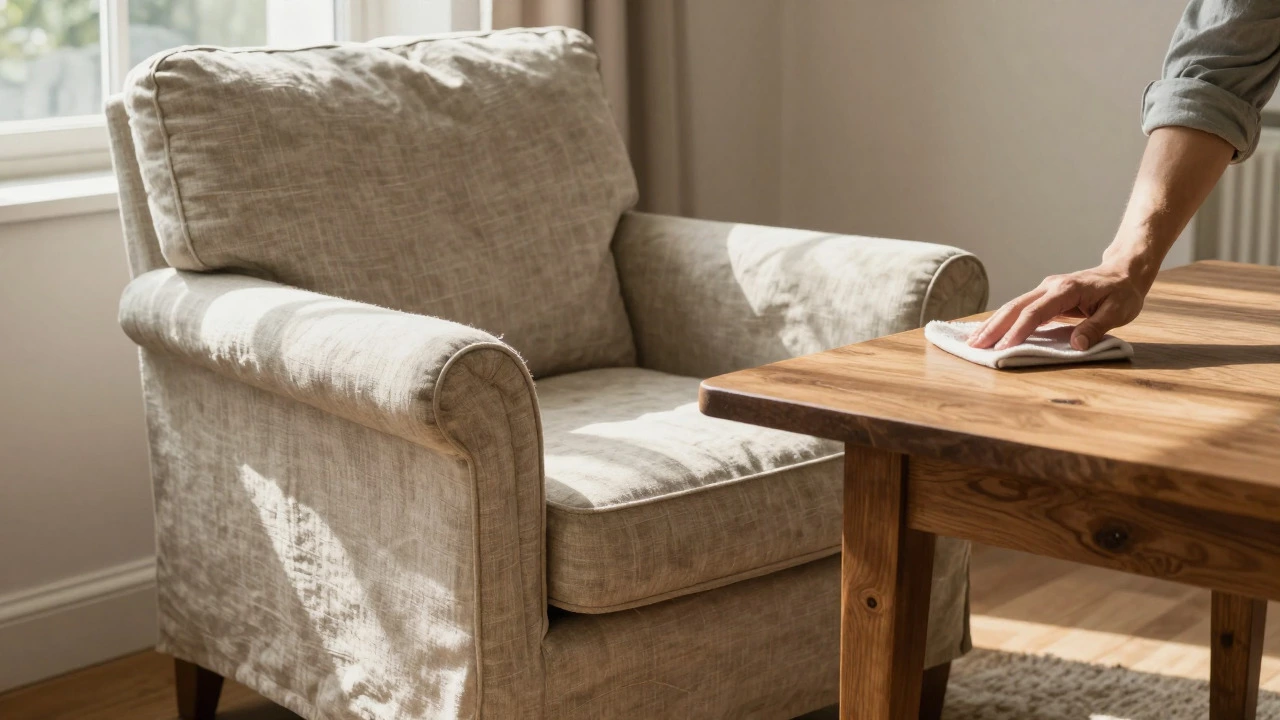
Even the best furniture won’t last if neglected. Regular care makes a huge difference. For wood, wipe up spills immediately and use coasters. Apply a wood polish or wax every six months to protect the finish. For fabric, vacuum regularly to remove dust and grit that abrade fibers. Rotate cushions periodically to ensure even wear. Leather should be conditioned annually to prevent drying and cracking. By treating your furniture with basic respect, you double its potential lifespan.
Frequently Asked Questions
Is solid wood always better than engineered wood?
Not necessarily. Solid wood is more repairable and prestigious, but high-quality plywood is extremely stable and resistant to warping. For large surfaces like tabletops, plywood cores are often preferred to prevent movement. Solid wood is better for visible structural parts where aesthetics and refinishing matter.
How do I tell if a sofa frame is kiln-dried?
Ask the retailer directly. Reputable brands will specify this in their product details. If the frame feels dry and light without being brittle, it’s likely kiln-dried. Green wood (un-dried) feels heavier and may smell damp. You can also check for labels on the underside of the seat cushion or inside the frame.
Which fabric is most resistant to pet damage?
Microfiber and tightly woven synthetics like polyester are best for pets. They resist scratching and staining better than loose weaves like linen or cotton. Look for fabrics with a rub count of over 40,000 double rubs for heavy pet use.
Do warranties indicate actual quality?
Often, yes. A 10-year warranty on a frame suggests the manufacturer expects it to last that long. However, read the fine print. Some warranties only cover manufacturing defects and exclude normal wear and tear. Compare terms across brands before deciding.
Is it worth paying more for solid wood furniture?
If you plan to keep the piece for 10+ years, yes. The cost per year of ownership drops significantly compared to replacing cheap furniture every 3 years. Plus, solid wood holds resale value better and can be refinished if styles change.
Write a comment