

Furniture Brand Matchmaker
Not sure who dominates which niche? Answer these three questions to find the brand that best fits your lifestyle and budget.
Top Recommendation
Based on your inputs, this brand aligns best with your values.
Why this match?
Market Strength Analysis
Other Strong Contenders
You walk into a showroom or scroll through an app, and suddenly you’re drowning in options. Who actually runs this show? It’s not just one giant corporation printing money while we sleep. The furniture market is a messy, fragmented battlefield where global giants fight local artisans, and digital disruptors try to outsmart traditional brick-and-mortar stores. If you think there’s a single king of the hill, you’re missing the bigger picture. The reality is a tiered system where volume players like IKEA dominate mass appeal, while luxury houses hold the prestige crown. Understanding who leads helps you know where your money goes and whether you’re getting value or just brand hype.
The Global Giants: Volume vs. Value
When people ask who dominates, they usually mean sales volume. By that metric, IKEA is the undisputed heavyweight champion. Founded in Sweden in 1943, it operates over 400 stores in more than 60 markets. Their strategy isn’t about selling individual chairs; it’s about selling a lifestyle package at a price point that makes competitors sweat. They control their supply chain from the forest to the flat-pack box on your shelf. This vertical integration allows them to keep prices low without sacrificing too much quality for the average consumer.
But don’t count out the American players. Wayfair, despite its rocky financial history, remains a massive force in online furniture retail. Unlike IKEA, Wayfair doesn’t manufacture most of what it sells. It acts as a digital marketplace, aggregating thousands of suppliers. This model gives customers insane variety but often results in inconsistent quality. You might get a stunning sofa from a small vendor one week and a wobbly table from another the next. For shoppers, this means reading reviews is non-negotiable. The dominance here is in convenience and selection, not necessarily craftsmanship.
Luxury Leaders: Where Prestige Meets Profit
If you step away from the mass market, the landscape shifts dramatically. In the high-end sector, brands like Herman Miller and Steelcase dominate the office furniture space, especially with the rise of remote work. Herman Miller’s Aeron chair isn’t just a seat; it’s a status symbol that costs more than some used cars. These companies focus on ergonomics, durability, and design patents that protect their margins. They don’t compete on price; they compete on health benefits and longevity.
In residential luxury, Italian design houses still hold court. Companies like Poltrona Frau and B&B Italia define what "expensive" looks like in living rooms worldwide. Their dominance comes from heritage and materials. You’re paying for full-grain leather, hand-tied springs, and decades of reputation. These brands rarely discount deeply because doing so would dilute their brand equity. If you see a Poltrona Frau sofa on sale for 50% off, check the serial number-it might be older stock or a different line entirely.
| Brand | Market Segment | Primary Strength | Weakness |
|---|---|---|---|
| IKEA | Mass Market | Price & Design Consistency | Durability limits |
| Wayfair | Online Retail | Vast Selection | Inconsistent Quality |
| Ashley Furniture | Mid-Market US | Affordable Traditional Styles | Generic Designs |
| Herman Miller | Premium Office | Ergonomics & Warranty | High Cost |
| West Elm | Modern Mid-Century | Trendy Aesthetic | Mixed Material Quality |

The Regional Powerhouses: Ashley and West Elm
In North America, Ashley Furniture quietly owns the mid-market. You’ve probably sat on an Ashley couch without knowing it. They specialize in traditional, comfortable styles that fit suburban homes perfectly. Their strength lies in logistics and distribution networks that span the continent. If you need a matching bedroom set delivered in three days, Ashley can likely do it. They aren’t trying to win design awards; they’re trying to win your living room by being available and affordable.
On the other end of the spectrum sits West Elm. Owned by Williams-Sonoma, they capitalized on the mid-century modern revival. They positioned themselves as the accessible version of high-end design. While they claim sustainability credentials, critics point out that "sustainable" marketing doesn’t always equal solid wood construction. Many pieces use veneers or engineered woods. Still, their aesthetic dominance is undeniable. If you browse Pinterest, half the boards feature West Elm-inspired looks.
Supply Chain Shifts and New Challengers
Who dominates today isn’t always who will dominate tomorrow. The pandemic exposed cracks in global supply chains, pushing retailers to look closer to home. Nearshoring production to Mexico or Eastern Europe has become a strategic move for many brands to reduce shipping times and carbon footprints. This shift benefits smaller manufacturers who can produce faster and customize more easily.
Direct-to-consumer (DTC) brands are also shaking things up. Companies like Article and Burrow bypassed traditional retail layers. They sell directly to you via websites, cutting out the middleman. Burrow, for instance, pioneered modular sofas that ship in boxes, making delivery less of a nightmare. These players don’t have the scale of IKEA yet, but they have agility. They can pivot designs based on real-time data, something big corporations struggle to do quickly.
How to Spot Real Quality Amidst the Noise
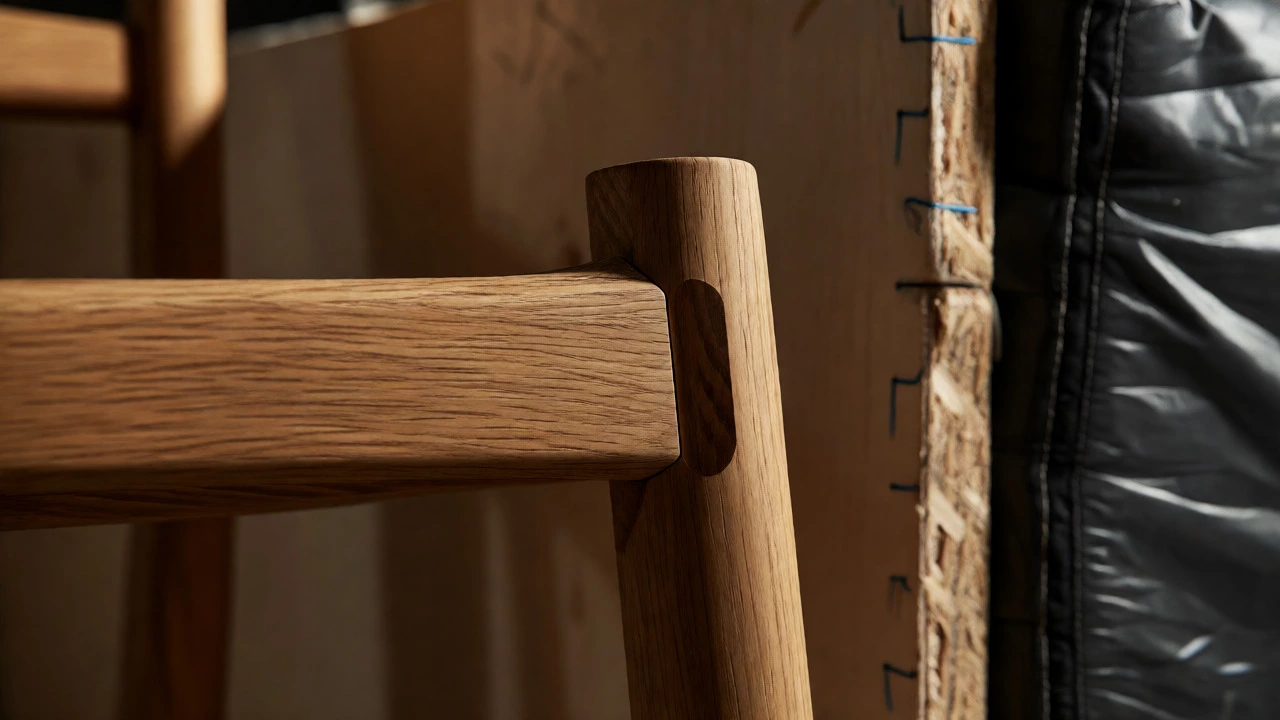
Knowing who sells what is useful, but knowing how to judge value is critical. Big names don’t guarantee good products across all lines. Here’s a quick heuristic: check the frame material. Solid hardwood frames (oak, maple, ash) last decades. Plywood frames are acceptable if well-constructed. Particleboard or MDF frames are budget-tier and won’t survive heavy daily use.
Look at the joinery. Dowels and staples are cheap. Mortise-and-tenon joints or corner blocks screwed and glued indicate better craftsmanship. When buying from dominant players like Wayfair or Amazon Basics, zoom in on product photos. Look for uneven seams or visible staples. If the back of the sofa is covered in black plastic fabric instead of matching upholstery, they’re hiding cost-cutting measures.
Is IKEA really the biggest furniture retailer?
Yes, by revenue and store count, IKEA is generally considered the largest furniture retailer globally. However, in specific regions like the US, traditional department stores and specialty chains may hold larger market shares depending on the metric used.
Why is Wayfair cheaper than physical stores?
Wayfair operates as an online-only marketplace, reducing overhead costs associated with maintaining large physical showrooms. They also source from numerous third-party vendors, allowing for competitive pricing, though this can lead to variability in product quality.
Are luxury furniture brands worth the extra cost?
For long-term use, yes. Luxury brands like Poltrona Frau or Herman Miller typically use higher-grade materials, superior construction techniques, and offer longer warranties. Over 10-20 years, the cost per year of use can be lower than replacing cheaper furniture multiple times.
Which company dominates office furniture?
Herman Miller and Steelcase are the dominant forces in premium office furniture, particularly known for ergonomic chairs and desks. For budget office solutions, brands like Staples or IKEA Business offer significant market share.
Do DTC furniture brands offer better value?
Often, yes, because they cut out retail markups. However, you cannot physically test comfort before buying. Returns can be costly and logistically difficult, so factor potential return fees into your total cost calculation.
Write a comment