
Daily Sofa Bed Suitability Calculator
Assess Your Setup
Select the features that match your current sofa bed situation to see how well it supports daily sleep.
Result
No Data
Select features and calculate to see results.
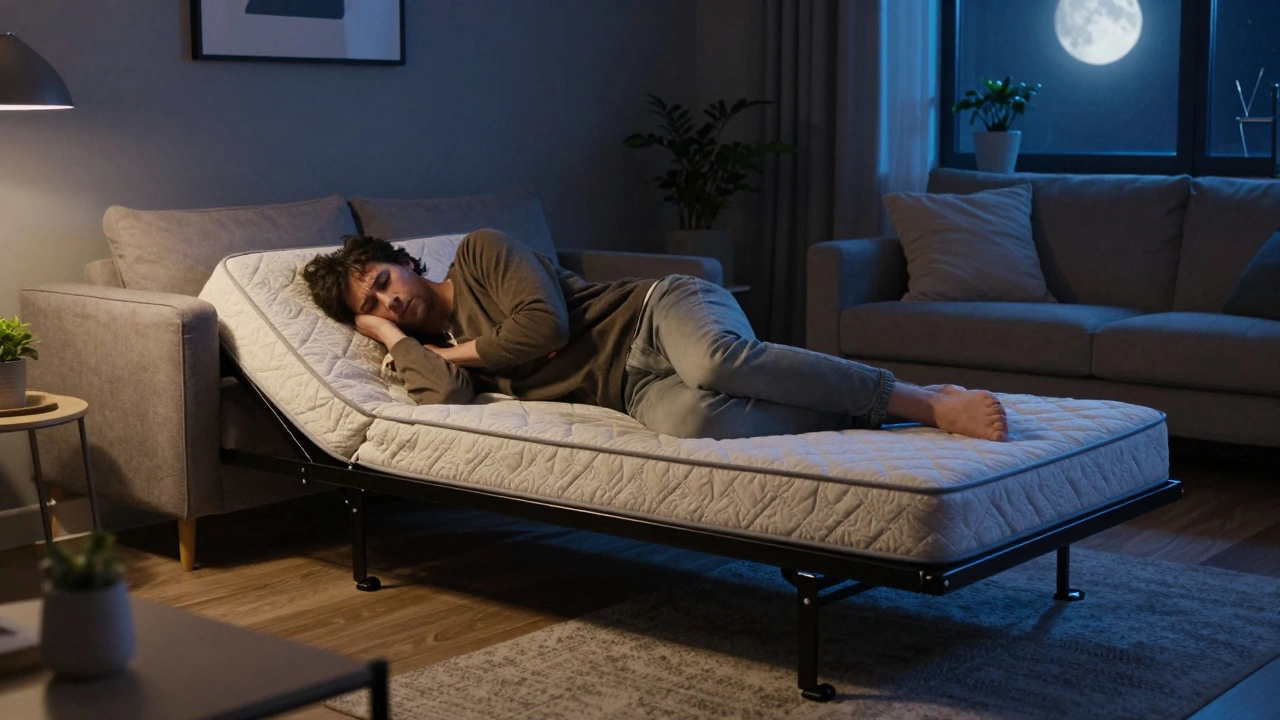
Picture this: you’re in the middle of a sleepless night, tossing and turning on that pull-out couch in the spare room. Your back feels stiff, your shoulders ache, and you wonder if you’ve made a terrible mistake by choosing convenience over comfort. It’s a scenario many homeowners face when they try to turn a guest space into a permanent bedroom or simply want to save money on a separate mattress. But can you actually sleep on a sofa bed every single night without ruining your health or sanity?
The short answer is yes, but with significant caveats. Not all sofa beds are created equal. A cheap, flimsy click-clack model from a budget store will likely leave you in pain within weeks. However, high-end models designed specifically for daily use can rival traditional beds in terms of support and longevity. The key lies in understanding the mechanics, choosing the right mechanism, and knowing how to maintain it.
Why Most Sofa Beds Fail as Primary Beds
To understand why sleeping on a sofa bed nightly can be problematic, we first need to look at how these pieces of furniture are built. Traditionally, sofa beds were designed for occasional use-maybe once or twice a year when relatives came to visit. Manufacturers prioritized seating comfort and aesthetic appeal over sleeping ergonomics.
The biggest culprit is often the mattress itself. Standard sofa bed mattresses are typically only 4 to 6 inches thick. Compare that to a standard double mattress, which usually ranges from 8 to 12 inches. This thin layer struggles to provide adequate pressure relief for your hips and shoulders. If you’re a side sleeper, this lack of cushioning can lead to misalignment of the spine, causing neck and back pain.
Then there’s the frame. Many older-style sofa beds use metal slats or accordion mechanisms that create gaps and uneven surfaces. These imperfections become very noticeable when you lie still for seven hours straight. You might feel the bars digging into your back, or worse, experience sagging in the middle where the weight is concentrated. Over time, this uneven support can degrade the structural integrity of both the frame and the mattress.
The Difference Between Occasional and Daily-Use Models
If you’re set on using a sofa bed as your primary sleeping surface, you need to upgrade your expectations-and your investment. Modern furniture design has evolved to address the needs of smaller living spaces, such as studio apartments in Birmingham or London, where every square foot counts. High-quality sofa beds now come with features specifically engineered for daily use.
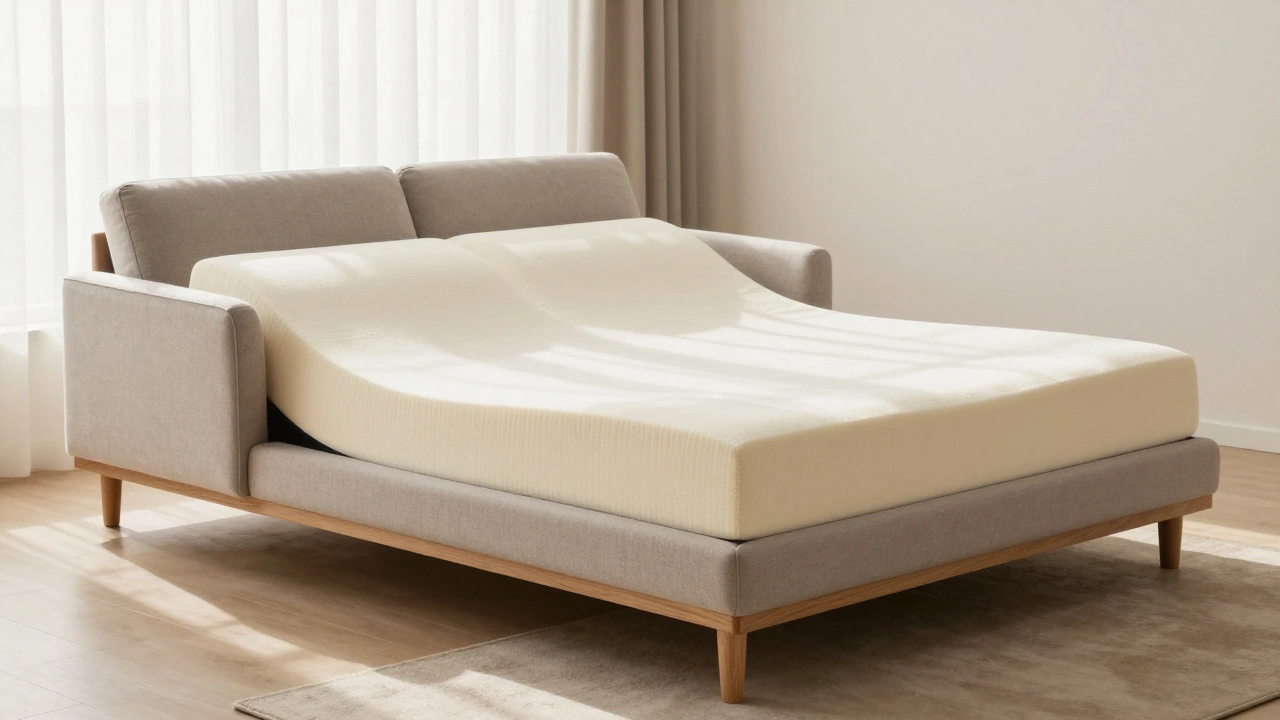
Look for models labeled as "daybeds" or "premium sleeper sofas." These often feature thicker mattresses, sometimes up to 8 inches, made with memory foam or high-density polyurethane. Memory foam is particularly beneficial because it contours to your body shape, filling in the gaps that rigid frames leave behind. This contouring helps distribute your weight evenly, reducing pressure points.
The mechanism matters just as much as the mattress. Traditional accordion folds tend to wear out quickly under daily stress. Instead, consider a Click-Clack or a mechanism that unfolds smoothly without complex folding layers. Even better are Futons with solid wood frames and thick futon mattresses, which eliminate the mechanical parts entirely. Some premium brands even offer sofa beds with box springs integrated into the base, providing the same foundational support as a traditional bed setup.
| Type | Mattress Thickness | Durability for Daily Use | Comfort Level | Best For |
|---|---|---|---|---|
| Budget Accordion | 3-5 inches | Poor (1-2 years) | Low | Occasional guests |
| Standard Sleeper | 5-7 inches | Moderate (3-5 years) | Medium | Monthly guests |
| Premium Memory Foam | 7-9 inches | Good (5+ years) | High | Daily use / Small apartments |
| Futon (Solid Frame) | 6-8 inches | Very Good (5-10 years) | Medium-High | Daily use / Minimalist style |
Health Implications of Sleeping on a Sofa Bed
Your sleep quality directly impacts your physical and mental health. Poor support can lead to chronic issues that go beyond just feeling tired in the morning. Let’s break down the potential health risks associated with daily sofa bed use.
Back Pain: This is the most common complaint. Without proper lumbar support, your lower back can arch unnaturally, straining muscles and ligaments. Over months, this can contribute to chronic lower back pain. To mitigate this, ensure the mattress isn’t too soft. A medium-firm feel is generally recommended for spinal alignment.
Neck Strain: If the sofa backrest doesn’t align properly with the mattress when unfolded, your head may be propped up too high or tilted awkwardly. This forces your neck muscles to work overtime throughout the night, leading to stiffness and headaches. Always check the height of the seat cushion relative to the mattress depth.
Sleep Quality: Noise and movement can also disrupt sleep. Metal hinges can squeak, and loose frames can creak. If you share the sofa bed with a partner, their movements might transfer more noticeably than on a heavy, stable bed frame. Look for models with silent-glide mechanisms or reinforced joints.
However, if you choose a high-quality model with a supportive mattress, these risks diminish significantly. Many people successfully sleep on premium sofa beds for years without any adverse health effects. The key is listening to your body-if you wake up in pain, it’s time to reassess your setup.
How to Make a Sofa Bed More Comfortable
If you’re committed to using a sofa bed as your main bed, there are several ways to enhance its comfort and extend its lifespan. Think of it like customizing a car-you start with a good base, but accessories make the ride smoother.
- Add a Mattress Topper: This is the single most effective upgrade. A 2-3 inch memory foam or latex topper can transform a firm, uneven surface into a plush, supportive sleeping area. It fills in gaps and adds cushioning without compromising support.
- Use Proper Bedding: Don’t skimp on sheets and pillows. Fitted sheets designed for deeper mattresses can prevent slipping. Invest in a pillow that supports your preferred sleeping position-contour pillows for side sleepers, thinner ones for stomach sleepers.
- Reinforce the Frame: Check the manufacturer’s instructions for adding extra support legs or crossbars. Some models allow you to insert wooden planks between the slats to create a firmer, more uniform surface.
- Rotate the Mattress: Just like a regular mattress, rotate your sofa bed mattress every few months to prevent sagging in one spot. This ensures even wear and prolongs the life of the foam.
- Keep It Clean: Dust and allergens accumulate quickly in sofa beds due to their crevices. Vacuum regularly and use a waterproof protector to guard against spills and stains.
When to Stick with a Traditional Bed
Despite the advancements in sofa bed technology, there are scenarios where a traditional bed remains the superior choice. Understanding these limits can help you make an informed decision based on your lifestyle and health needs.
If you suffer from chronic back conditions, such as sciatica or herniated discs, a dedicated orthopedic mattress is non-negotiable. The specialized support systems in medical-grade mattresses are difficult to replicate in a compact sofa bed format. Similarly, if you are a heavy sleeper or have a larger body type, the weight distribution on a sofa bed frame may not be sufficient, leading to faster breakdown and discomfort.
Space constraints also play a role. While sofa beds save floor space during the day, they require clearance to unfold. Ensure you have enough room to pull out the bed without hitting walls or other furniture. In tight corners, the mechanism might jam, making it frustrating to use daily.
Finally, consider the cost-benefit analysis. High-quality sofa beds suitable for daily use can cost as much as, or even more than, a mid-range traditional bed and frame set. If you have the space and budget, investing in a separate bed for sleeping and a standard sofa for sitting might ultimately provide better value and comfort.
Maintenance Tips for Longevity
Using a sofa bed daily puts significant stress on its moving parts. Regular maintenance is crucial to keep it functioning smoothly and safely.
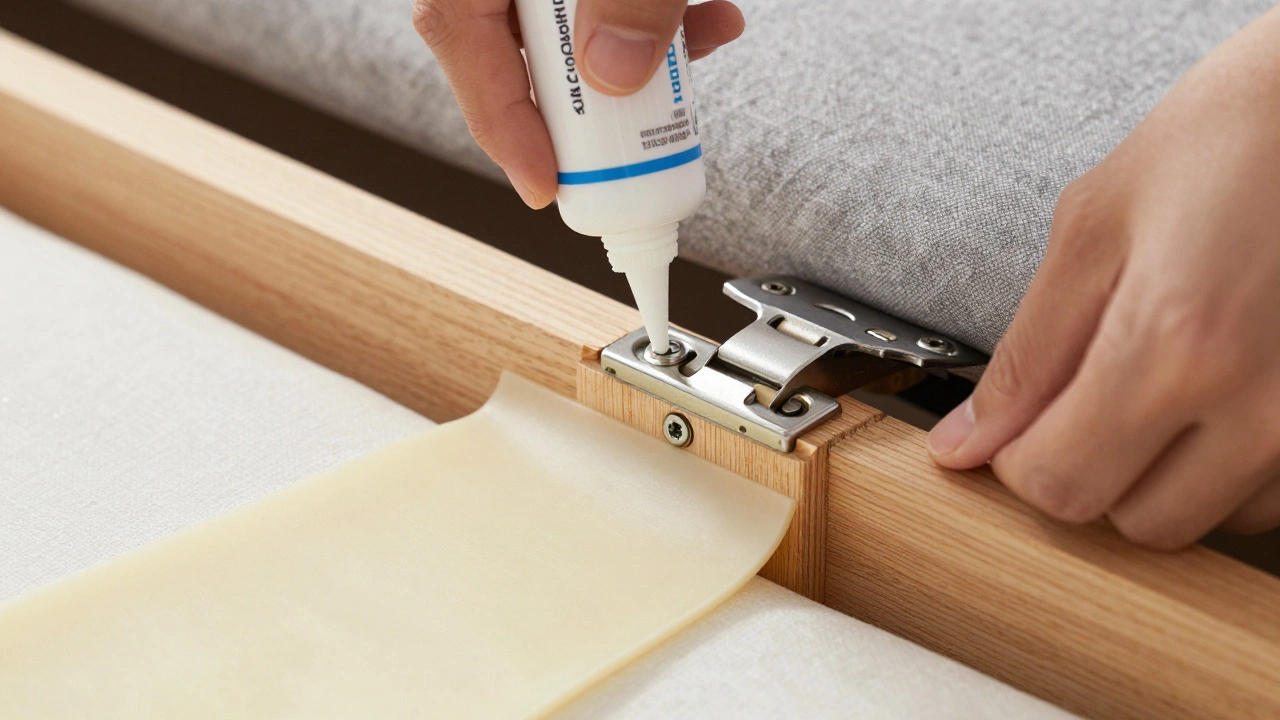
- Lubricate Hinges: Every six months, apply a silicone-based lubricant to the metal hinges and tracks. This prevents squeaking and reduces friction, extending the life of the mechanism.
- Tighten Screws: The constant opening and closing can loosen screws and bolts. Check them quarterly and tighten as needed. Loose hardware can cause instability and safety hazards.
- Inspect the Fabric: Look for signs of tearing or fraying, especially around the seams where the mattress folds. Repair small tears immediately to prevent them from worsening.
- Air Out the Mattress: Since sofa bed mattresses are thinner, they can retain heat and moisture. Open windows or use a fan to air out the room after sleeping to prevent mold and mildew growth.
By following these steps, you can ensure your sofa bed remains a reliable and comfortable sleeping solution for years to come. Remember, the goal is to balance convenience with well-being. If you prioritize quality and maintenance, a sofa bed can indeed serve as a viable primary bed.
Is it bad for your back to sleep on a sofa bed every night?
It depends on the quality of the sofa bed. Low-quality models with thin mattresses and weak frames can cause back pain due to poor spinal alignment. However, high-end sofa beds with thick memory foam mattresses and sturdy frames can provide adequate support for daily use without harming your back.
What is the best type of sofa bed for sleeping on every night?
The best options are premium sleeper sofas with 7-9 inch memory foam mattresses or solid-frame futons. These designs minimize mechanical gaps and provide consistent support. Look for models specifically marketed for "daily use" or "primary sleeping" rather than occasional guest use.
How long does a sofa bed last if used every night?
A budget sofa bed may last only 1-2 years with daily use, while a high-quality model can last 5-10 years. Regular maintenance, such as tightening screws and lubricating hinges, can extend the lifespan significantly. The mattress will likely need replacement sooner than the frame.
Can I put a regular mattress on a sofa bed frame?
Generally, no. Sofa bed frames are designed for specific thin mattresses that fold correctly. A standard thick mattress will not fit and could damage the mechanism. However, you can add a mattress topper to improve comfort without altering the fit.
Are sofa beds healthier than sleeping on the floor?
Yes, for most people. A quality sofa bed provides elevation and cushioning that protects joints and promotes better circulation compared to the hard surface of the floor. However, individuals who prefer very firm support might find a tatami mat or floor mattress more suitable.
Write a comment